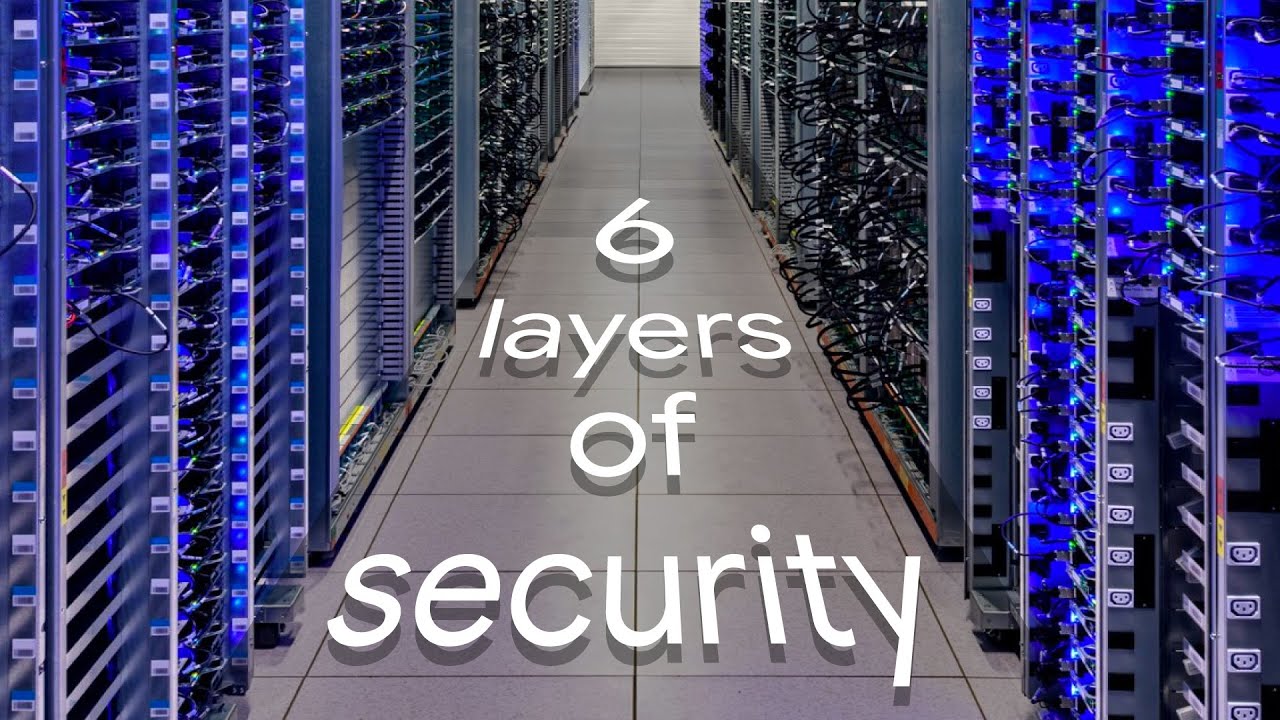
When we talk about cloud computing, artificial intelligence, and global online services, we usually focus on software, algorithms, and processing speeds. But behind every query, stream, and digital file lies a massive physical reality: the data center. And when it comes to safeguarding the digital heartbeat of the internet, few facilities match the sheer scale and security of Google’s infrastructure.
The Reality of Physical Security in the Cloud
Many people assume that because data is stored in "the cloud," physical security matters less. In practice, the opposite is true. Google data centers house petabytes of sensitive information, enterprise workloads, and critical infrastructure that power services used by billions of people worldwide. Protecting these facilities requires a multi-layered defense strategy that blends advanced technology with strict physical controls.
If you have ever wondered how a tech giant protects its most valuable hardware assets from unauthorized access, espionage, and physical threats, a new official documentary provides a rare look inside.
Watch the Documentary: Google Data Center Security
To truly understand the level of protection required for global-scale infrastructure, you can watch Google’s official tour detailing their multi-tiered defense system:
YouTube Video:
Google Data Center Security: 6 Layers Deep
(Tip: You can easily embed this video directly into your Blogger post using the video insert tool or by pasting the YouTube embed code in HTML view).
Key Takeaways from Google’s Security Architecture
Defense in Depth: Rather than relying on a single perimeter wall, Google implements six distinct security layers—ranging from exterior property boundaries and biometric authentication to interior server-floor access controls.
Advanced Monitoring: Every zone inside and outside the facility is continuously monitored using smart surveillance, motion detection, and AI-assisted anomaly tracking.
Data Destruction Protocols: When drives and hardware reach the end of their lifecycle, they don't just get thrown away. They undergo rigorous physical destruction protocols to ensure data recovery is completely impossible.
Comments
Post a Comment